
The Roof You Bought Should Last. Maintenance Is How.
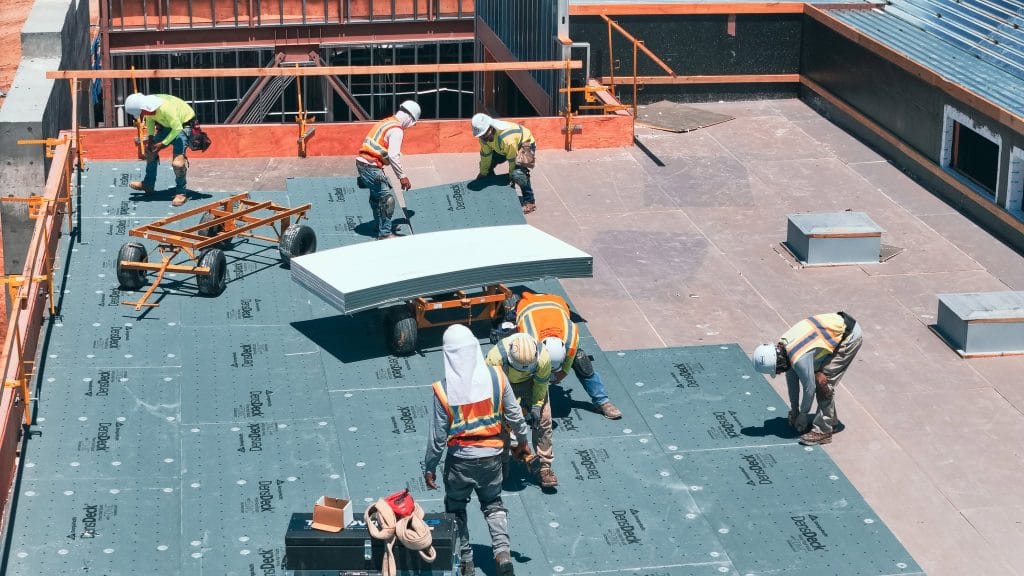
Spring & fall on every enrolled building
Forecasts you can hand to finance
Documented compliance for the manufacturer
Every visit, every repair, every scan
Why commercial roofs need a maintenance program — not a hope
Every commercial roof manufacturer's warranty carries a maintenance clause. Read the fine print and you will find language requiring documented inspections, keeping drains and scuppers clear, and repairing damage promptly. Skip it, and the coverage you paid a premium for goes away quietly — nobody tells you. The claim just gets denied.
A Roofs Inc. maintenance program keeps you inside your warranty and, more importantly, catches the small failures (a loose flashing, a punctured seam, a clogged drain) before they turn into interior damage, mold, or full system failure. Facility managers who run a maintenance program on their commercial roofs routinely get 25+ years out of systems rated for 20.
- Twice-yearly (spring & fall) inspection on every enrolled roof
- Written condition report with photos, delivered to facilities and finance
- Drain, scupper, and gutter clearance included on every visit
- Emergency-repair priority for enrolled buildings
- Multi-site portfolios coordinated from one project manager
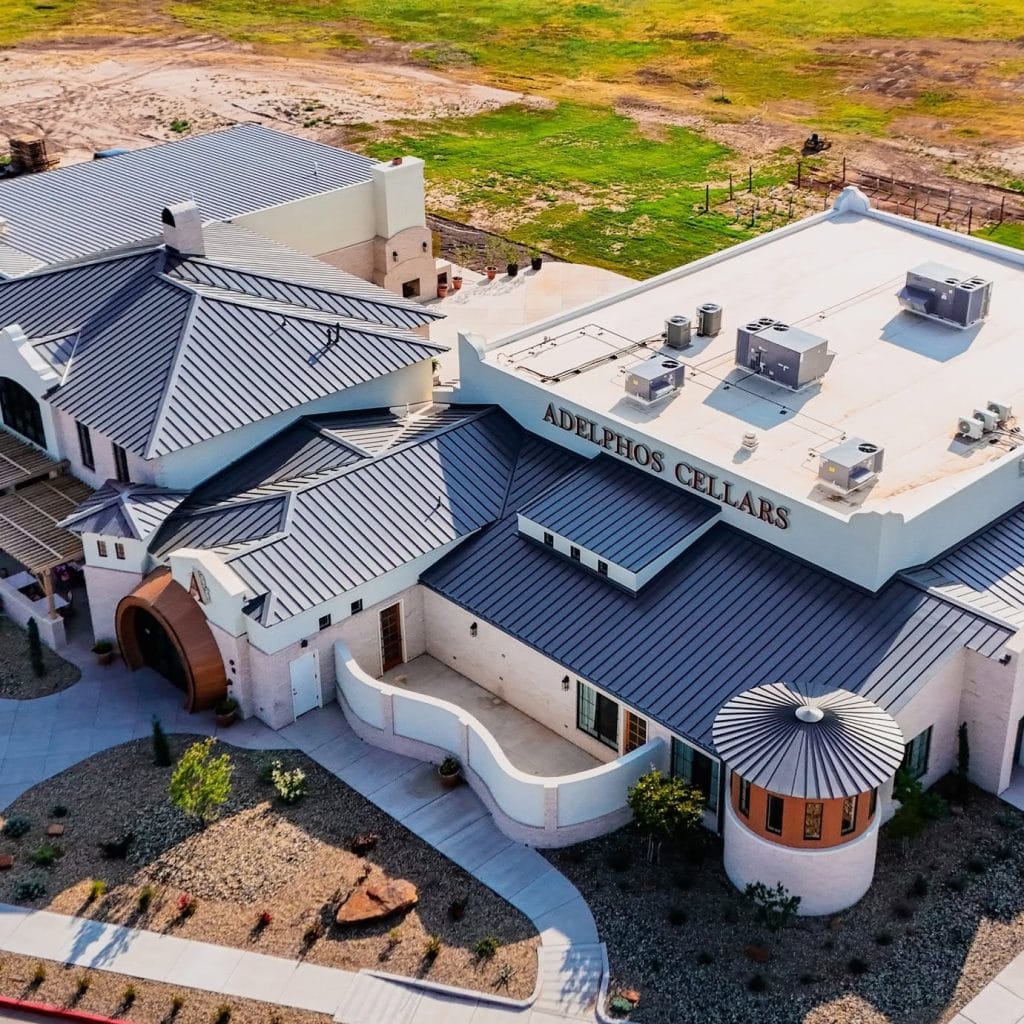
What is on the checklist
Every visit follows the same inspection protocol so nothing gets missed and the service history is comparable year over year.
Membrane & Seams
Every seam, penetration, and field area walked and evaluated. Small punctures and lifted laps repaired on the visit.
Flashings & Terminations
Wall flashings, parapet caps, coping, and edge metal inspected for movement, fastener back-out, and sealant failure.
Drainage
All drains, scuppers, gutters, and downspouts cleared. Ponding-water areas flagged for follow-up before they saturate insulation.
Rooftop Equipment
HVAC curbs, exhaust hoods, and equipment supports checked for leaks, corrosion, and improperly sealed penetrations.
Warranty Compliance
Everything documented in the format your manufacturer requires so the warranty remains in force year after year
Capital-Plan Forecast
Remaining service life, budget guidance, and replacement window — for facilities managers who need to plan five years out.
How enrollment works
Straightforward, no long-term lock-in. Cancel any time.
01. Roof Baseline
Initial inspection of every roof to be enrolled — condition assessment, warranty check, and any deferred-repair items itemized.
02. Program Scope
Number of visits per year, buildings covered, response-time commitment, and pricing in writing.
03. Scheduled Service
We show up on the calendar we agreed to. Every visit produces a written report.
04. Annual Review
Year-end summary of service history, warranty status, and forward-looking capital forecast.
What a program costs vs. what it saves
The number that matters is not the annual maintenance fee — it is the total cost of the roof over its life. A commercial building owner who runs a maintenance program on a 60-mil TPO typically extends the roof’s service life 20–30 percent past its warranty period, defers replacement capex by several years, and avoids one or two significant interior-damage events over that horizon.
That math wins every time. The maintenance fee pays for itself the first time a $300 drain clearance prevents a $30,000 saturated-insulation replacement.
Roof maintenance - FAQs
Yes. Most commercial roof manufacturers spell out semi-annual inspection as a warranty condition, and West Texas weather (hail, wind, temperature swings, blowing dust) creates more between-season change on a rooftop than mild climates do. Spring and fall visits catch what winter and summer left behind.
No. Manufacturer warranties allow qualified commercial roofing contractors to perform maintenance and repair on their systems. We coordinate directly with the manufacturer where needed so nothing performed on your roof jeopardizes coverage.
Yes. One project manager, one master service agreement, one report format across every building. Portfolios of any size — from three buildings in the Permian Basin to fifty across both states.
It scales with roof size, complexity, and site count. Because the program is priced per square and per visit, a written quote comes back with the baseline inspection.